Blog/Vaccinations

Kennel cough vaccine: which dogs need it
Kennel cough vaccine: which dogs need itDOG · KENNEL COUGH
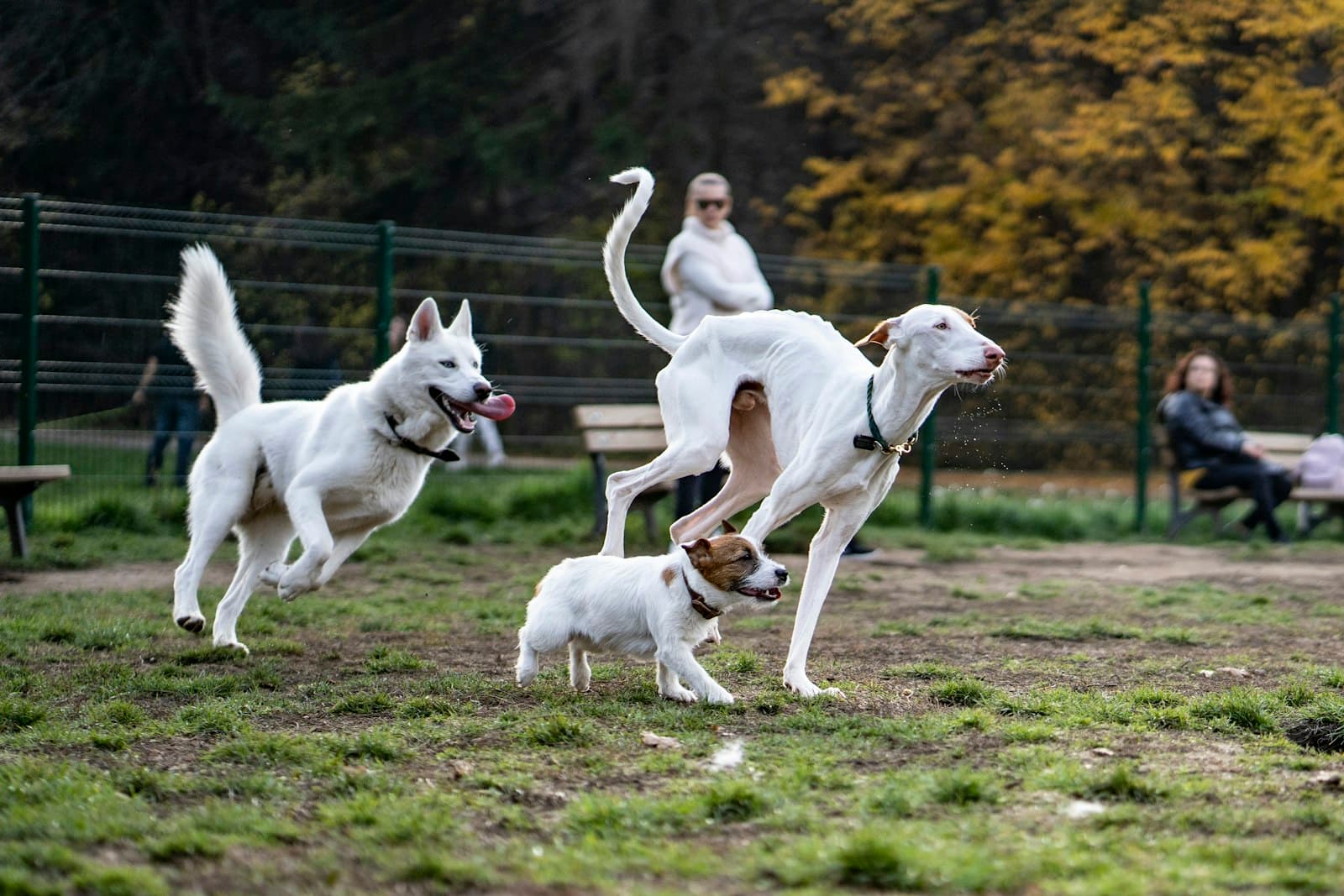
The kennel cough vaccine is for dogs that mix with other dogs: boarding kennels, day care, dog parks, shows, grooming salons and flights. It comes in two forms — intranasal drops from 3 weeks of age, where a single dose is enough, and an injection from 8 weeks, given as two doses 3–4 weeks apart. Both are repeated yearly, or every six months for constant exposure.

01Which dogs need it

Kennel cough is not one disease but a collective name for the contagious cough dogs pass to each other in close contact. There are two main culprits: the bacterium Bordetella bronchiseptica and the parainfluenza virus. The vaccine is a non-core one — it is given according to the dog’s lifestyle rather than to every dog.

  • boarding kennels, day care and shelters, where dogs live side by side;
  • dog parks, shows, group training classes;
  • grooming salons;
  • frequent travel and flights.

02Nose drops or an injection

Form
From what age
Number of doses
Intranasal, drops in the nose
from 3 weeks
one dose is enough
Injectable
from 8 weeks
two, 3–4 weeks apart

After that both forms are repeated once a year. Where exposure is constant — the dog boards regularly or travels to shows — the vet may set the booster at every 6 months. A note on parainfluenza: it is often already part of the combination vaccine a dog gets as a core shot. Bordetella never is, so it always comes as a separate vaccine. What the combination covers is set out in adult dog vaccinations.

03What happens after the shot

The intranasal form has a picture of its own, and it alarms owners more than it should. Nasal and eye discharge are very common — that means more than one dog in ten. Sneezing and coughing are common, meaning 1–10 dogs in 100. All of it is usually mild and lasts 2–4 days. In very young puppies the signs are stronger, and in rare cases the cough drags on for up to four weeks.

Rare reactions — wheezing, lethargy, vomiting — call for a vet visit. If the reaction followed an injection, the dog is usually switched to the intranasal form; the vaccination itself is not cancelled. What counts as a normal reaction after any shot is covered in dog vaccine side effects.

04A vaccinated dog is infectious to others

Hardly anyone warns about this, even though it is printed in the vaccine leaflet. After the intranasal vaccine a dog sheds the vaccine strain of the bacterium for up to 6 weeks, and parainfluenza for a few days. Healthy vaccinated dogs are in no danger from it, but during that window it is better to keep the dog away from unvaccinated dogs and immunosuppressed animals. The same goes for people: anyone with a weakened immune system should avoid contact with a recently vaccinated dog for those 6 weeks.

Platera reminds you about the yearly booster

Vaccines, parasite treatments and check-ups in one dated plan.

Platera9:00 AM
Mia’s booster shot is tomorrow — clinic at 12:00
Point your camera · App Store
Download on the App Store

05Frequently asked

How old must a puppy be for the kennel cough vaccine?
The intranasal drops can be given from 3 weeks of age, and one dose is enough. The injectable form starts at 8 weeks and takes two doses 3–4 weeks apart. Both schedules then move to a yearly booster.
How often is the kennel cough vaccine repeated?
Once a year. If the dog is constantly exposed — regular boarding, shows, group classes — the vet may set the booster at every 6 months. That applies to the nose drops and the injection alike.
Is this vaccine compulsory?
No, it is a non-core vaccine given according to lifestyle. The core shots are the combination vaccine, rabies and leptospirosis. If a dog rarely meets other dogs, there is little point in the kennel cough vaccine.
Can the vaccine itself make a dog ill?
No, though the signs can look similar: after the nose drops, a runny nose, sneezing and coughing are common for 2–4 days. In small puppies this is more noticeable, and occasionally the cough lasts up to four weeks. If breathing is laboured or the dog is lethargic and off its food, book a visit.
Does the vaccine prevent every kind of cough?
No. It works against the two main causes of contagious cough, the Bordetella bacterium and the parainfluenza virus. Coughing has other causes too, so a vaccinated dog can still cough, and it still needs to be seen by a vet.
Sources
WSAVA Vaccination Guidelines (2024)
AAHA Canine Vaccination Guidelines (2022, 2024 update)
UK Veterinary Medicines Directorate — Product Information Database (SPCs)
Kennel cough vaccine: which dogs need it — Platera