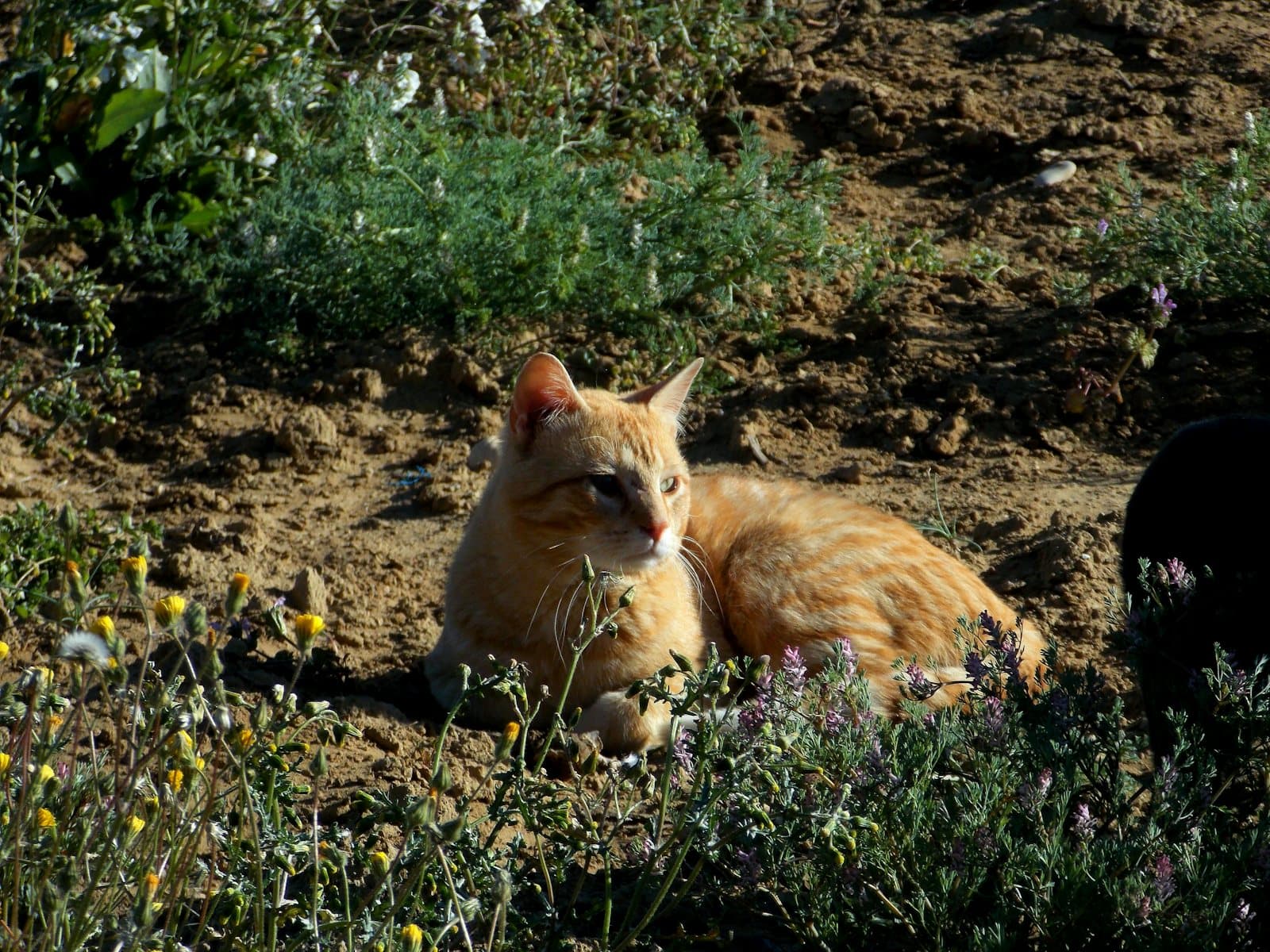
Dog flea drops and collars containing permethrin are deadly to cats: a cat’s body cannot break the substance down. Even indirect contact is enough — the cat rubs against a recently treated dog or grooms it. The signs of poisoning are tremors, heavy drooling and seizures. Without treatment a cat dies, so it has to go to a vet immediately.
01Why a cat cannot handle permethrin
Permethrin belongs to the pyrethroids, the class of insecticides behind part of the flea and tick products made for dogs. A dog’s liver neutralises the substance and clears it. A cat has no such route: the enzyme that attaches glucuronic acid to the compound and prepares it for removal does not work in cats. So a dose that is harmless to a dog of the same weight turns into poisoning in a cat.
02Which products are dangerous
Product
Active ingredients
Approved for
Advantix spot-on
imidacloprid and permethrin
dogs only
Scalibor collar
deltamethrin, also a pyrethroid
dogs only
Seresto collar for cats
imidacloprid and flumethrin
approved for cats
The last row looks like a contradiction, so here is the explanation. Flumethrin is a pyrethroid too, but in the feline version of the collar it sits in a special controlled-release formulation, and that collar is officially approved for cats. The general rule holds: a cat may only get what is explicitly approved for cats. If the packaging says “for dogs”, it never goes on a cat — cutting the dose does not make it safe.
03Signs of poisoning
tremors, muscle twitching;
seizures;
heavy drooling.
This poisoning is treated at a clinic, and without treatment the cat dies. Waiting to see whether it passes is not an option: take the cat to a vet straight away and say which product was used and when, or which treated animal it was in contact with. The product name tells the vet which substance they are dealing with.
04If you have both a dog and a cat
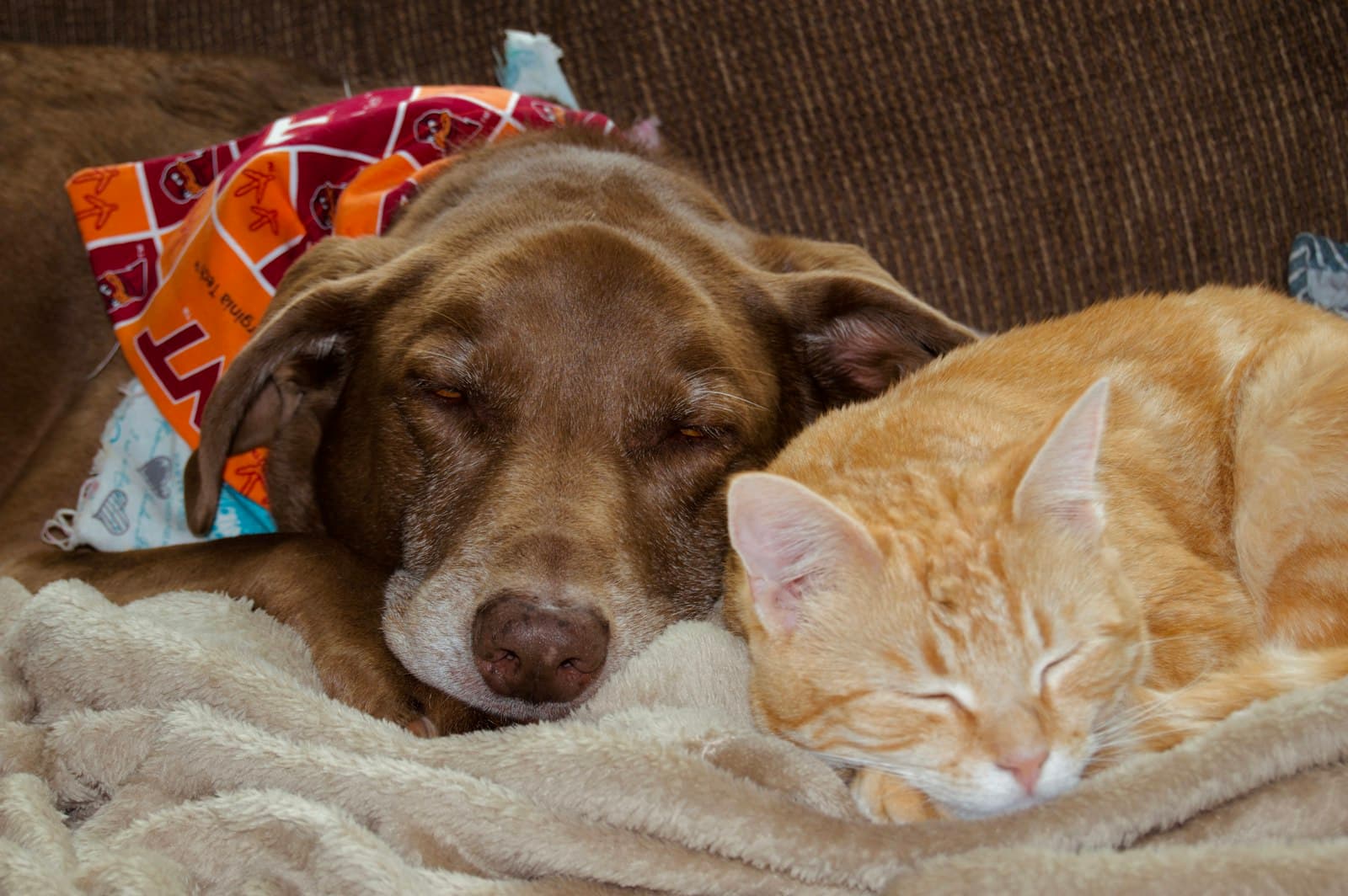
The main hazard in such a household is cross-contact: the cat sleeps next to the dog or grooms it, and permethrin transfers from the coat. The safest answer is to avoid permethrin and other pyrethroids for the dog entirely while a cat lives in the house. Dogs have plenty of options: products based on fipronil, fluralaner, afoxolaner, sarolaner and lotilaner. When to treat a dog against ticks is covered in tick season.
Platera remembers what each pet was treated with
A separate card for the dog and the cat, plus the next treatment reminder.
Platera9:00 AM
Mia’s booster shot is tomorrow — clinic at 12:00
Point your camera · App Store
05Frequently asked
What happens if you put dog flea drops on a cat?
If they contain permethrin or another pyrethroid, poisoning starts: tremors, seizures and heavy drooling. A cat cannot neutralise the substance, and untreated the poisoning is fatal. Take the cat to a clinic immediately and say which product was applied and when.
Can a cat wear a Seresto flea collar?
The feline version, yes: it is officially approved for cats, the flumethrin in it is in a controlled-release form, and it is fitted from 10 weeks of age. The Scalibor collar with deltamethrin, on the other hand, is for dogs only and must never go on a cat.
Is a treated dog dangerous to the cat in the house?
If the dog was treated with a permethrin product, the risk is real: the cat only has to rub against the dog or groom it. In a household with a cat it is safer to pick a dog product without permethrin — one based on fipronil, fluralaner or afoxolaner, for instance.
Which flea products are safe for cats?
Those explicitly approved for cats: fipronil spot-ons from 8 weeks, fluralaner spot-ons, lotilaner tablets from 8 weeks, and the feline Seresto collar from 10 weeks. The exact minimum age and weight are always printed on the leaflet of the specific product.

 CAT · PERMETHRIN IS TOXIC