Tick protection starts in March, before the first ticks appear, and runs through November — at least 9 months a year. Ticks wake up once the soil warms above 5–7 degrees Celsius and peak twice: April–May and September–October. Winter activity drops, but a mild winter does not stop it completely.
01The season month by month
Months
Tick activity
What to do
March–June
rising, peak in April–May
treat before the first grass walks
July–August
the gap between peaks
do not pause the treatment
September–November
second peak, September–October
keep going to the end of November
December–February
activity at its lowest
weather-dependent; fleas all year
The recommendations differ slightly. The European Scientific Counsel Companion Animal Parasites (ESCCAP) advises protecting a dog from March to November as a minimum and starting before the ticks show up. The Companion Animal Parasite Council (CAPC) in the United States advises year-round treatment: a tick can wake up on any warm day, and fleas live indoors regardless of the season. The milder the winter where you live, the closer the sensible answer is to year-round.
02How often to repeat
The frequency comes from the product, not the calendar. Most spot-ons and chewable tablets last 28–30 days and are repeated monthly. Some fluralaner tablets and spot-ons hold for 12 weeks. Collars last longest: 5–6 months against ticks, 7–8 months for combined ones. Go by the date on the label rather than by how the dog looks: protection ends exactly when the product runs out.
03Why speed matters
Most pathogens need the tick attached for 24–48 hours before they reach the dog’s bloodstream. Babesiosis — the most common tick-borne disease of dogs in Eastern Europe — moves faster: a Dermacentor tick can pass it on in as little as 8 hours. That is why fast-acting products matter in those regions, and why a check-over after every walk in tall grass is worth the minute it takes.
04One product for the dog and the cat will not do
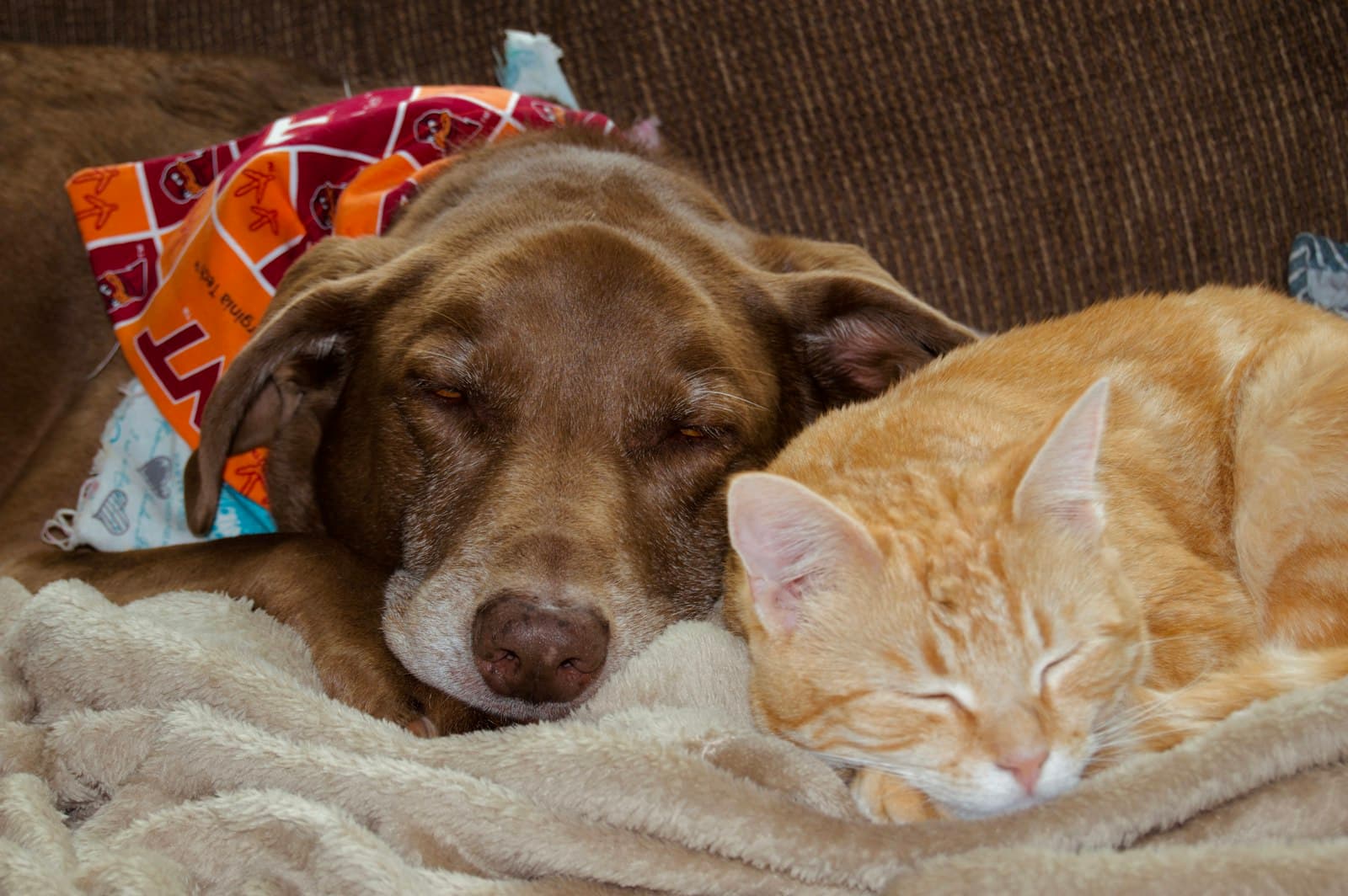
Dog products with permethrin and related compounds are deadly to cats: cats lack the enzyme that breaks these substances down. Poisoning can happen without any treatment at all — a cat rubbing against a dog that was treated recently is enough. In a home with both a dog and a cat the product is chosen with that in mind, and the choice is best discussed with your vet.
Platera tracks parasite treatments
A due date for your product and a nudge before the season.
Platera9:00 AM
Mia’s booster shot is tomorrow — clinic at 12:00
Point your camera · App Store
05Frequently asked
What if I missed a treatment during the season?
Treat the dog as soon as you remember and count the next date from there. A gap is riskiest in season: April–May and September–October are exactly when ticks are most numerous. If the dog walked in tall grass meanwhile, check the coat and see a vet if anything seems off.
Does a tick really need a full day to infect a dog?
For most pathogens that is close to the truth: Lyme disease, anaplasmosis and ehrlichiosis usually need 24–48 hours of attachment. But babesiosis can be transmitted in about 8 hours, and tick-borne encephalitis virus even faster. Counting on a spare day is not a good plan.
Do tick collars work?
Yes: collars hold 5–6 months against ticks, and 7–8 months for the combined ones. That helps if a monthly treatment is easy to forget. But collars with permethrin and deltamethrin are for dogs only — they are deadly to cats. The choice is worth discussing with your vet.
Is winter treatment needed?
For ticks it depends on the weather: December to February is the quietest stretch, but a mild winter shifts that. For fleas the answer is yes: fleas live in a heated home year-round, and their pupae can lie in carpets and furniture for up to six months before warmth and vibration wake them up.

 TICK SEASON · PROTECTION