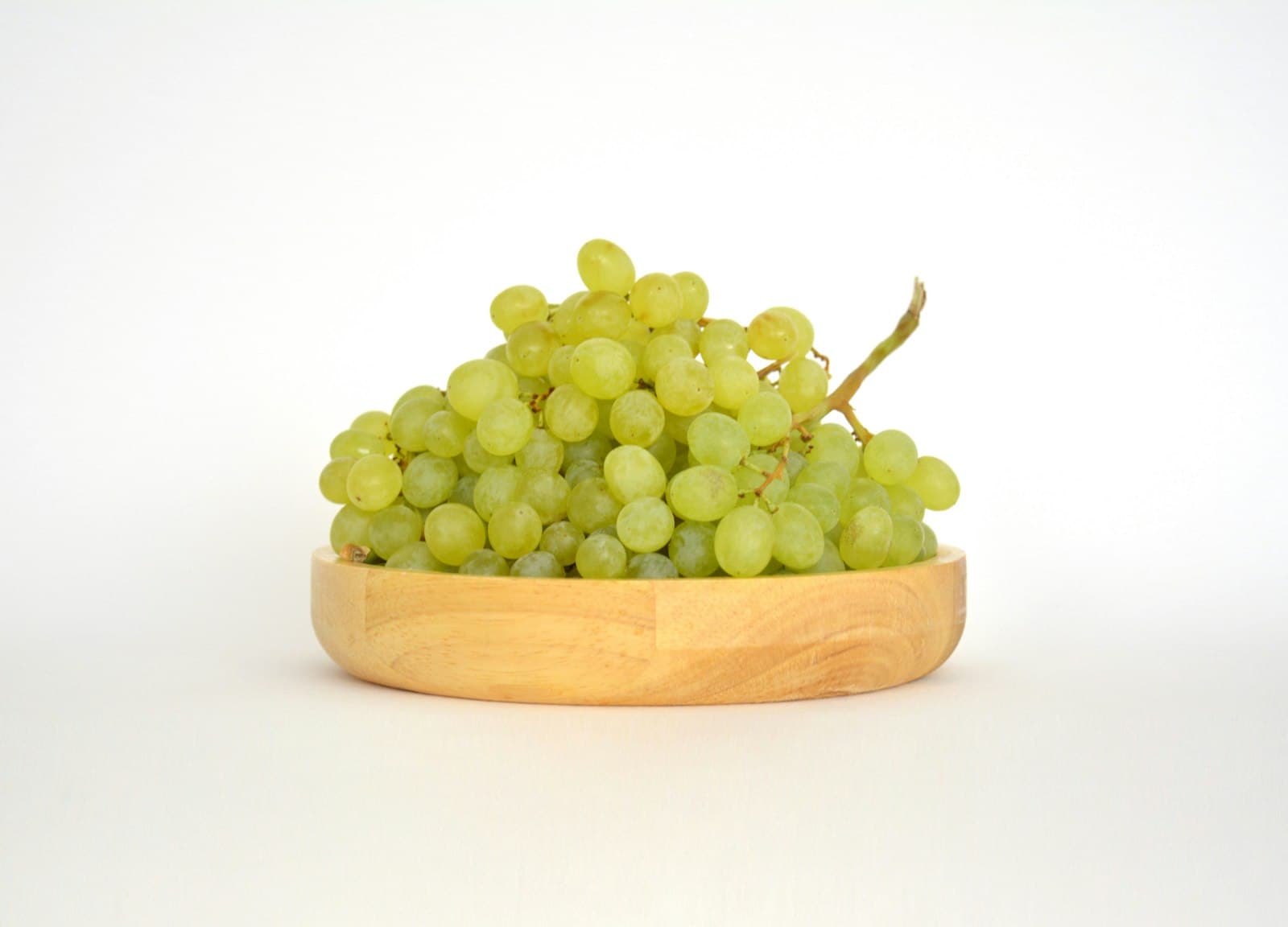
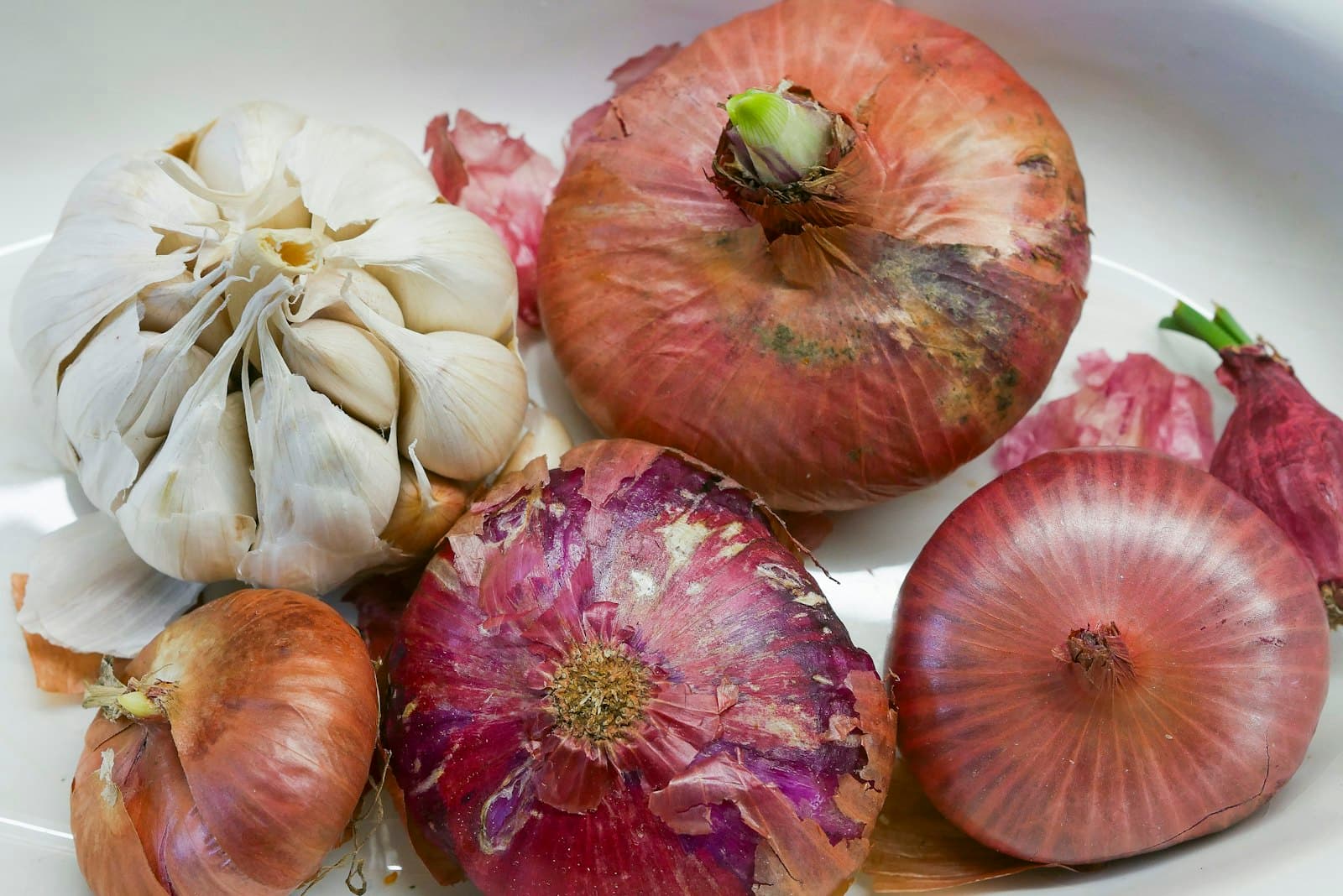
The list is short: chocolate, xylitol (sold as birch sugar too), grapes and raisins, onion and garlic, macadamia nuts, raw yeast dough, alcohol. The first three do damage in amounts nobody counts as a meal — a single grape per 4.5 kg of body weight is where the risk count starts. The figures below give the scale of the danger; the call on your own dog belongs to a vet, who works from its weight and how much went in.
01What is off limits, and from what amount
Food
From what amount
What happens
Chocolate, coffee
20 mg/kg of methylxanthines
vomiting, thirst; more — heart, seizures
Xylitol
from 100 mg/kg
blood sugar drops; from 500 mg/kg, the liver
Grapes, raisins
over 1 grape per 4.5 kg
vomiting, kidney failure in 1–3 days
Onion, garlic
15–30 g/kg of raw onion
red blood cells break down on days 3–5
Macadamia nuts
2.4 g/kg
weakness and tremor, gone in 1–2 days
Raw yeast dough
no threshold given
the stomach bloats, fermentation makes alcohol
Alcohol, salt
no threshold given
from tremor and vomiting to seizures
The arithmetic here is awkward. Thresholds run per kilogram of body weight, so one sweet means one thing for a chihuahua and quite another for a labrador. The spread inside a single product is just as wide: cocoa powder holds twelve times more methylxanthines than milk chocolate. Dough, alcohol and salt have no threshold at all — the manual simply files them under dangerous. Two of the list have articles of their own: grapes and raisins and onion and garlic.
Xylitol earns a line of its own. A dog rarely reaches it through food from the table; it gets there through sugar-free gum, mints, peanut butter, cough syrup and toothpaste. On the label it can read as wood sugar, birch sugar or birch bark extract. The gram-by-gram breakdown is in xylitol poisoning in dogs.
02Not poison, still harmful
The other half of the list works mechanically. Bones break teeth and block the oesophagus and the gut, and veterinary leaflets make no exception for raw ones — the detail is in can dogs eat bones. Peach, plum and cherry stones do contain cyanide, but poisoning by them is rare: the pit has to be crushed or ground for the cyanide to escape. The obstruction is the real problem, and the corn cob remains the classic case.
Fatty food from the table belongs next to them. Pancreatitis in dogs is tied to dietary indiscretion: bins, large helpings of leftovers, food that was never meant for the dog. One piece of bacon is not a diagnosis, but the habit of feeding from the table already has a name in the medical record.
03If your dog has already eaten it
Call your clinic, or the nearest 24-hour one, before doing anything else.
Take the packaging along: the vet works out the dose per kilogram from the label.
Vomiting is induced in the first hours and on a vet’s word, not as a precaution.
Salt, ipecac syrup, mustard and fingers down the throat do harm, not good.
Never induce vomiting if the dog is dull, cannot swallow or ate something caustic.
Platera keeps the pet’s card ready
Weight, breed and age in one place — the first things a vet asks over the phone.
Platera9:00 AM
Mia’s booster shot is tomorrow — clinic at 12:00
Point your camera · App Store
04Frequently asked
How much chocolate is dangerous for a dog?
The count starts at 20 mg of methylxanthines per kilogram of body weight. For a 10 kg dog that is roughly 87 g of milk chocolate, 36 g of dark, or 7 g of cocoa powder. The type matters more than the size of the piece: cocoa powder holds twelve times more of the active compounds than milk chocolate.
Is a single grape really dangerous?
The threshold in the manual is more than one grape or raisin per 4.5 kg of body weight, so three are enough for a 10 kg dog. The suspected culprit is tartaric acid, which a dog’s kidneys do not clear. That gives no safe dose: once the kidneys fail, the outlook is poor.
The dog ate something from the list at night — can it wait?
No. Xylitol drops blood sugar within half an hour, liver damage shows only after a day or two, and kidneys can fail within three days of grapes. Call a 24-hour clinic straight away and bring the packaging of whatever was eaten.
Which fruit and vegetables can a dog have?
Veterinary leaflets name carrot, green beans, cucumber, banana, watermelon, apple and blueberries. Peel, rind, seeds and stones come off, each new item is offered on its own, and you watch the reaction. All treats together stay under 10% of the day’s calories.
Is avocado dangerous for dogs?
The flesh, mildly: the manual calls dogs relatively resistant to persin, which is lethal to birds, rabbits and grazing animals. The real hazard is the stone — swallowed whole, it obstructs the digestive tract.

 DOG · WHAT NOT TO SHARE