Xylitol poisoning in dogs: how much is dangerous
 DOG · XYLITOL
01How much xylitol is dangerous
Half a gram does not look like a serving and barely registers as weight, yet in a 5 kg dog it is enough to send blood sugar down. Vets call that hypoglycaemia. How much xylitol sits in one stick of gum is rarely something the pack will tell you, so the dangerous amount is counted in milligrams per kilogram of body weight.
The timing is the second trap. Sugar starts dropping around 30 minutes in, but the drop can be delayed by 12–18 hours. Liver enzymes rise within 4–12 hours, while liver failure itself becomes visible only after 24–48. The FDA puts the start of poisoning within 20 minutes: vomiting, low activity, weakness and collapse, a staggering walk, tremors or seizures.
The outlook depends on how far things went. A sugar crash treated quickly carries a good prognosis. Once liver injury is established the figures change: 62.5% of dogs died or were euthanised despite intensive treatment.
02Where xylitol hides
- Sugar-free gum, sweets and breath mints — the most common source of all.
- Peanut and nut butters: these are handed to dogs on purpose, so read the jar first.
- Cough syrups and liquid medicines — the manual names gabapentin syrup in particular.
- Toothpaste, mouthwash, chewable vitamins and supplements.
- Sunscreens and cosmetics, deodorants, hair products, nasal sprays.
- Home baking made with a sugar substitute.
The front of the pack often carries no mention of xylitol at all. The FDA lists the other names the same substance goes by (wood sugar, birch sugar and birch bark extract), and European ingredient lists may show it as the additive E967. Different word, same thing. The other foods toxic to dogs have a list of their own.
03Cats are not at risk from xylitol
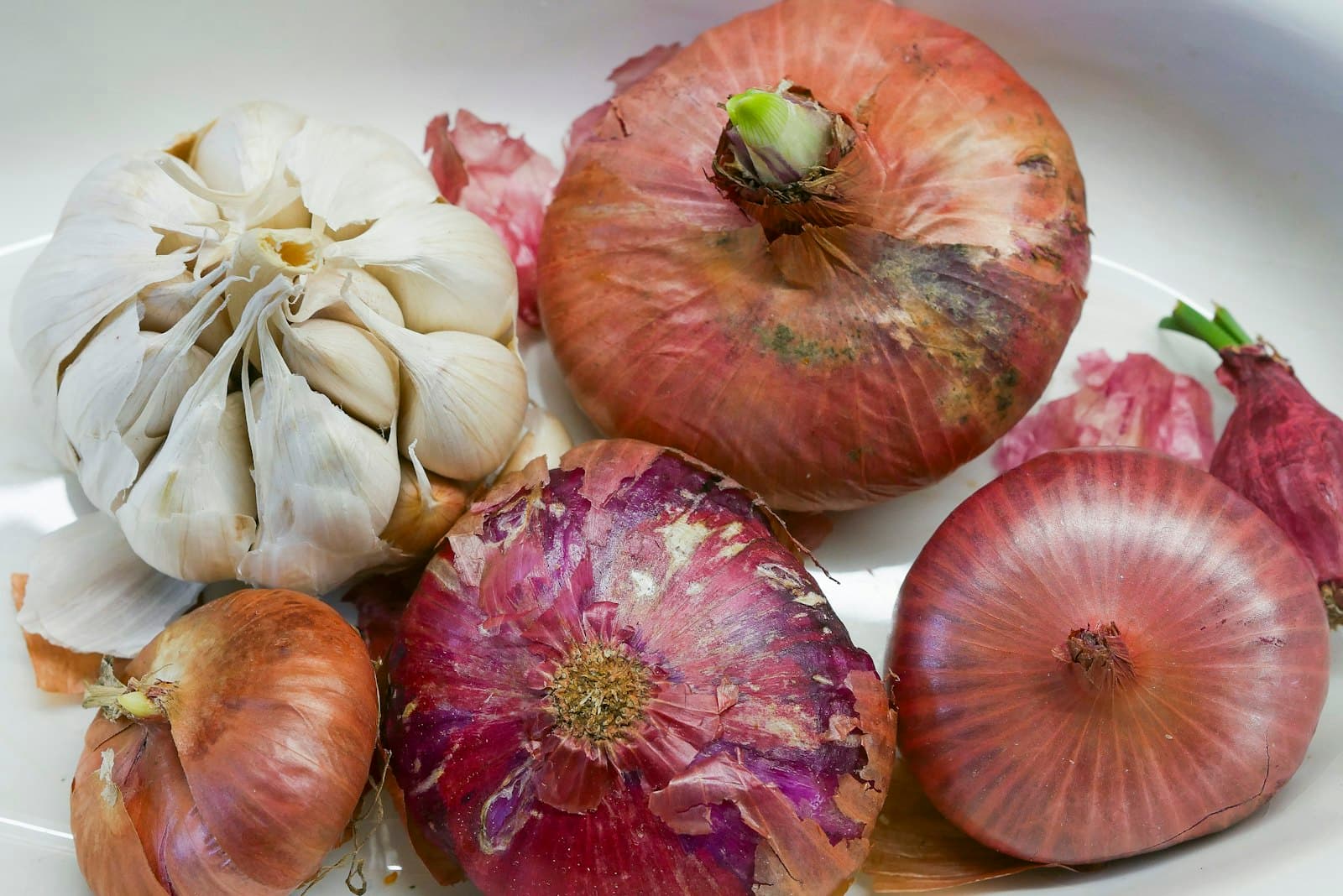
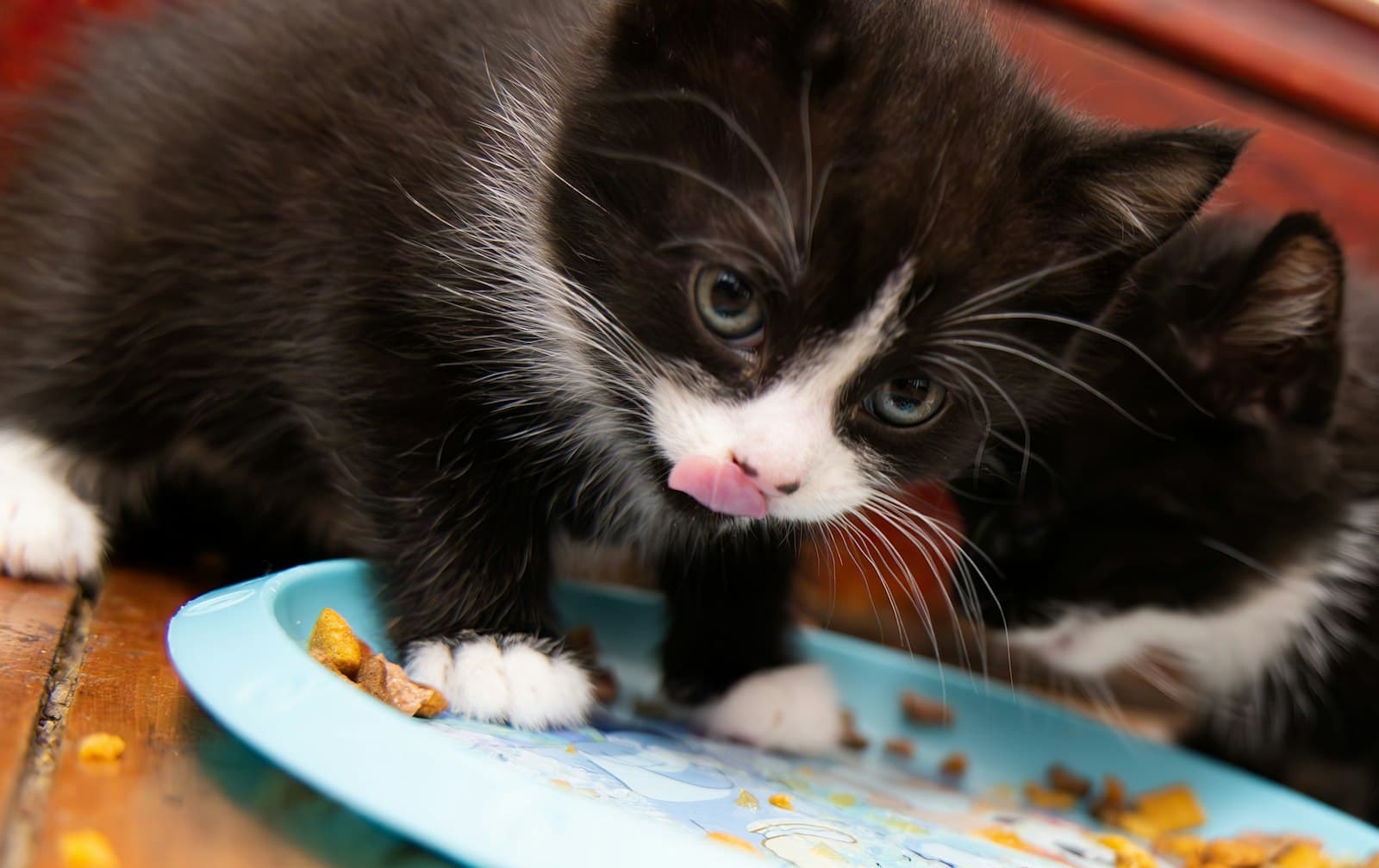
This is where the internet warns wider than the source does. The Merck veterinary manual says it plainly: dogs are the only domestic species in which xylitol poisoning has been reported, and cats face no risk of low blood sugar or liver injury from it. That statement covers xylitol and nothing else: onion and garlic, for one, hit cats harder than dogs.
04What to do if your dog ate some
- Call your own clinic, or the nearest 24-hour one, before any signs appear.
- Take the packaging with you: without the ingredient list there is no dose per kilogram.
- Give the time it happened: that decides whether vomiting is still worth inducing.
- In the US, Pet Poison Helpline (855-764-7661) and ASPCA APCC (888-426-4435) take calls.
- Salt, ipecac syrup and fingers down the throat are listed as the wrong kind of help.
Vomiting at home is allowed by the manual in one narrow case: a dog, 3% hydrogen peroxide at 1–2 ml per kilogram, no more than 45 ml, and only where veterinary care cannot be reached. A dog that is dull, unsteady or swallowing badly is not made to vomit at all. From there it runs as with a dog that ate chocolate: dose per kilogram, timing, a vet watching.
Sugar falls within half an hour and the liver answers a day later. The vet needs the date, the time and what went in.