Are onion and garlic toxic to dogs and cats?
 ONION AND GARLIC · CATS AND DOGS
01How much onion is dangerous
The third column is arithmetic off the threshold: the manual sets a dose per kilogram, and the weight is ours to plug in. It is not a portion anyone is allowed. For your own animal, multiply the threshold by its weight. The gap between species stays that wide: what already counts for a 4 kg cat has not even started the count for a 10 kg dog.
02The powder beats the fresh bulb
Poisonings are tied to concentrates more often than to fresh onion. A fresh bulb in the bowl is visible; dried flakes and powder are not, and they arrive with the leftovers of dinner. Cooking neutralises nothing: the feline threshold in the manual is set for cooked onion in the first place.
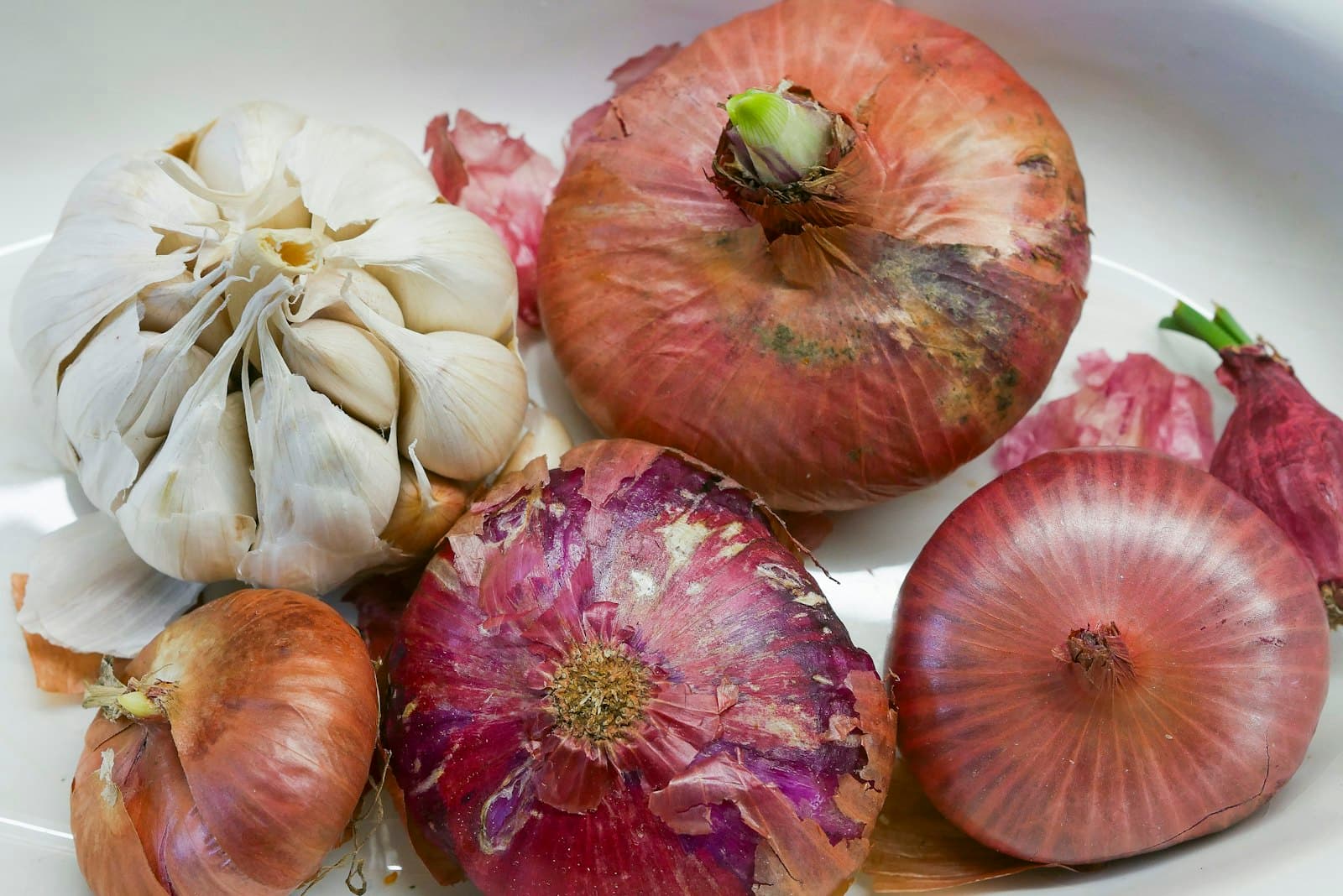
- The whole genus is dangerous: onion, leek, shallot, garlic, chives.
- Concentrates here means dried flakes, onion and garlic powder, packet soups and seasonings.
- Boiled, fried and roasted onion stays dangerous: heat does not help here.
- Garlic is 3–5 times stronger than onion, so a pinch of it is not a harmless measure.
That also answers the folk advice to give a dog garlic against worms: in the manual garlic sits among the causes of poisoning, and it is 3–5 times more toxic than onion. No safe dose is given for it. A deworming schedule is the vet’s call. The rest of what should stay off the plate is collected in foods toxic to dogs.
03Why a quiet first day proves nothing
The mechanism is sulphur-containing oxidants that damage red blood cells. First come Heinz bodies: marks of that damage. They start forming within the first 24 hours and peak at around 72. The breakdown of the red cells itself (haemolysis) usually lands on days 3–5 after the meal.
“He ate it yesterday and he is fine” is therefore not an argument. By the time an owner has decided nothing happened, the count has barely reached day two. What the decision runs on is species, weight and how much went in.
04What to do if it has already been eaten
- Call your own clinic or the nearest 24-hour one: give the species, the weight and what exactly was eaten.
- In the US you can also ring Pet Poison Helpline on 855-764-7661 or the ASPCA poison control centre on 888-426-4435.
- Keep the seasoning packet or soup sachet: the vet works out the dose per kilogram from the ingredients.
- Never make a cat vomit at home: hydrogen peroxide causes severe bleeding inflammation of the gullet and stomach.
- Salt, ipecac syrup and fingers down the throat are banned in both species: that is a second poisoning on top of the first.
Feline emetics are prescription drugs given by a vet, and even for those the manual quotes an effectiveness that drops to 50%. In dogs, vomiting at home is allowed only where veterinary care cannot be reached: 3% hydrogen peroxide at 1–2 ml per kilogram, never above 45 ml, and never at all if the animal is dull, swallows badly or is unsteady. What else does not suit a cat from ordinary human food is in milk and treats.
These thresholds are counted per kilogram, and cats and dogs differ several times over. It is the first figure a clinic asks for.