What not to feed a puppy: the list and the schedule
Updated August 2, 2026·3 minper WSAVA
PUPPY · WHAT NOT TO FEED
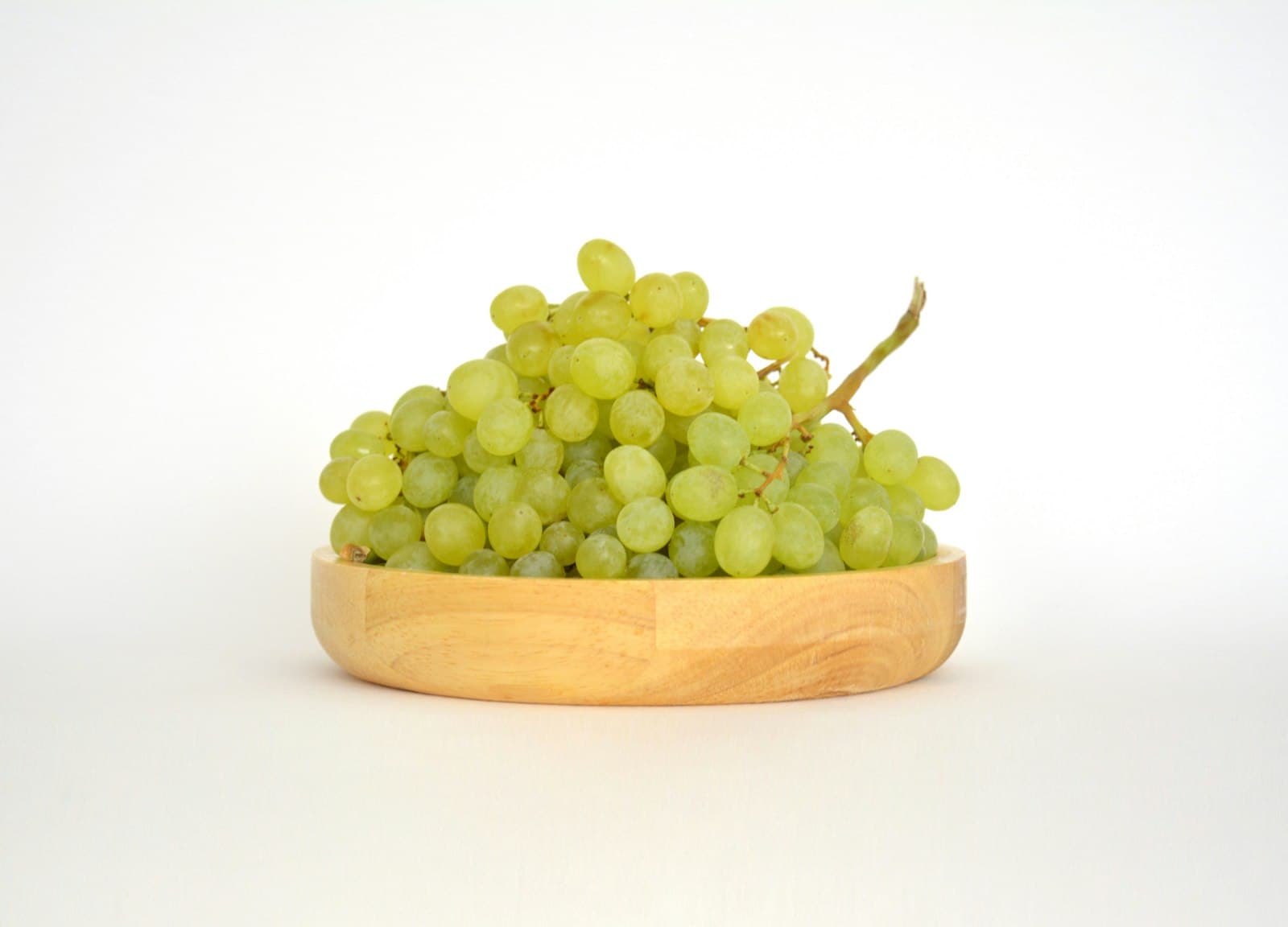
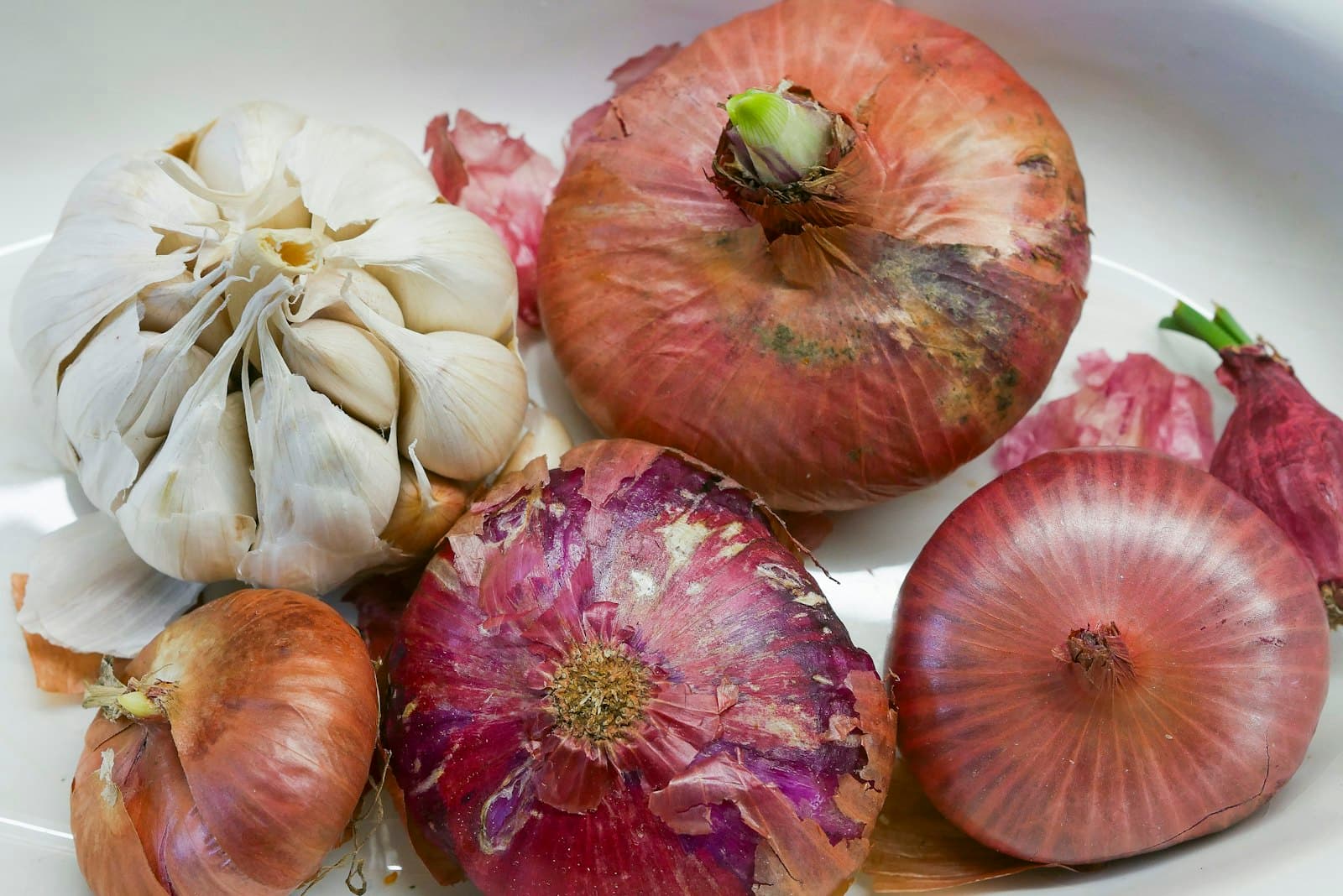
The banned list for a puppy matches the adult one: chocolate, xylitol, grapes and raisins, onion and garlic, macadamia nuts, raw dough. Three more items hit a growing body harder: bones, raw meat and home cooking put together without a calculation. On unbalanced diets at this age WSAVA is blunt — painful skeletal disorders and pathological fractures.
01The toxic list is the adult one
Age does not change that list, but weight does. Thresholds in the manual run per kilogram, so a puppy has to eat noticeably less to reach them: more than one grape per 4.5 kg of body weight, 20 mg of methylxanthines per kilogram for chocolate, 100 mg per kilogram for xylitol. The full list, with figures and what to do, is in foods toxic to dogs.
02Bones and raw meat
WSAVA does not split bones into raw and cooked: both are dangerous — broken teeth, obstruction of the oesophagus or the intestine, constipation. The full case is in can dogs eat bones.
Raw meat is a separate conversation. WSAVA found no evidence that raw diets beat commercial food or balanced home-cooked meals, and it lists the risks by name: E. coli, Salmonella, Yersinia, Campylobacter, Listeria. The puppy is not the only one exposed — handling the food or cleaning up after the animal is enough, which puts children, pregnant women and older people at risk. Freezing does not settle the question: the leaflet states plainly that neither freezing nor drying kills all the bacteria in food.
03Where home cooking breaks down
The classic home-diet mistake is described in the Merck manual: a ration made almost entirely of meat, liver, fish or poultry leaves too little calcium and too much phosphorus, and the bones demineralise — as far as paresis. For a puppy the price is higher than for an adult dog: it is growing animals that WSAVA has in mind when it writes about painful skeletal disorders and pathological fractures.
Vitamins and supplements do not straighten this out. The manual is brief about it: supplements are not required and in some cases may be harmful. Interfering with the composition of a complete food makes sense on a vet’s specific instruction.
04How many meals a day a puppy needs
Age
Meals per day
Food
6–12 weeks
4
puppy food
3–6 months
3
puppy food
6–12 months
2
puppy food
Over 12 months
1–2
adult food
Puppies of small breeds may need more than three meals a day. For an adult dog the manual recommends two measured meals at the same times each day, which works as obesity prevention.
Platera follows a puppy by age
Vaccines, parasite treatments and check-ups of the first months in one timeline.
Platera9:00 AM
Mia’s booster shot is tomorrow — clinic at 12:00
Point your camera · App Store
05Frequently asked
At what age do you switch a puppy to adult food?
In the Merck manual’s table puppy food runs to 12 months, after which the dog moves to adult food and eats once or twice a day. Before that, puppies of small breeds may need more than three meals a day.
Can a puppy have bones for teething?
In the WSAVA leaflets bones — cooked and raw alike — are called dangerous for dogs of any age: broken teeth, obstruction, constipation. The dental benefit is not confirmed by the documents: feeding bones does not reduce the risk of plaque or tooth loss due to periodontitis.
What makes raw meat risky for a puppy?
Bacteria and parasites: E. coli, Salmonella, Yersinia, Campylobacter, Listeria, and among parasites, Toxoplasma. The risk reaches the people in the house too — handling the food or cleaning up after the puppy is enough. Freezing and drying do not kill all the bacteria.
Can I feed a puppy home-cooked food?
Yes, if the ration is put together with a calculation behind it. The trouble starts with the skew: almost pure meat leaves too little calcium and too much phosphorus, and in a growing puppy that turns into painful skeletal disorders and fractures. Complete commercial foods are tested for composition; home ones are not.
Does a puppy need vitamin supplements?
On a complete food, no. The Merck manual states that supplements are not required and in some cases may do harm. Adding anything to a complete food makes sense only on a specific instruction from the vet.

 PUPPY · WHAT NOT TO FEED